
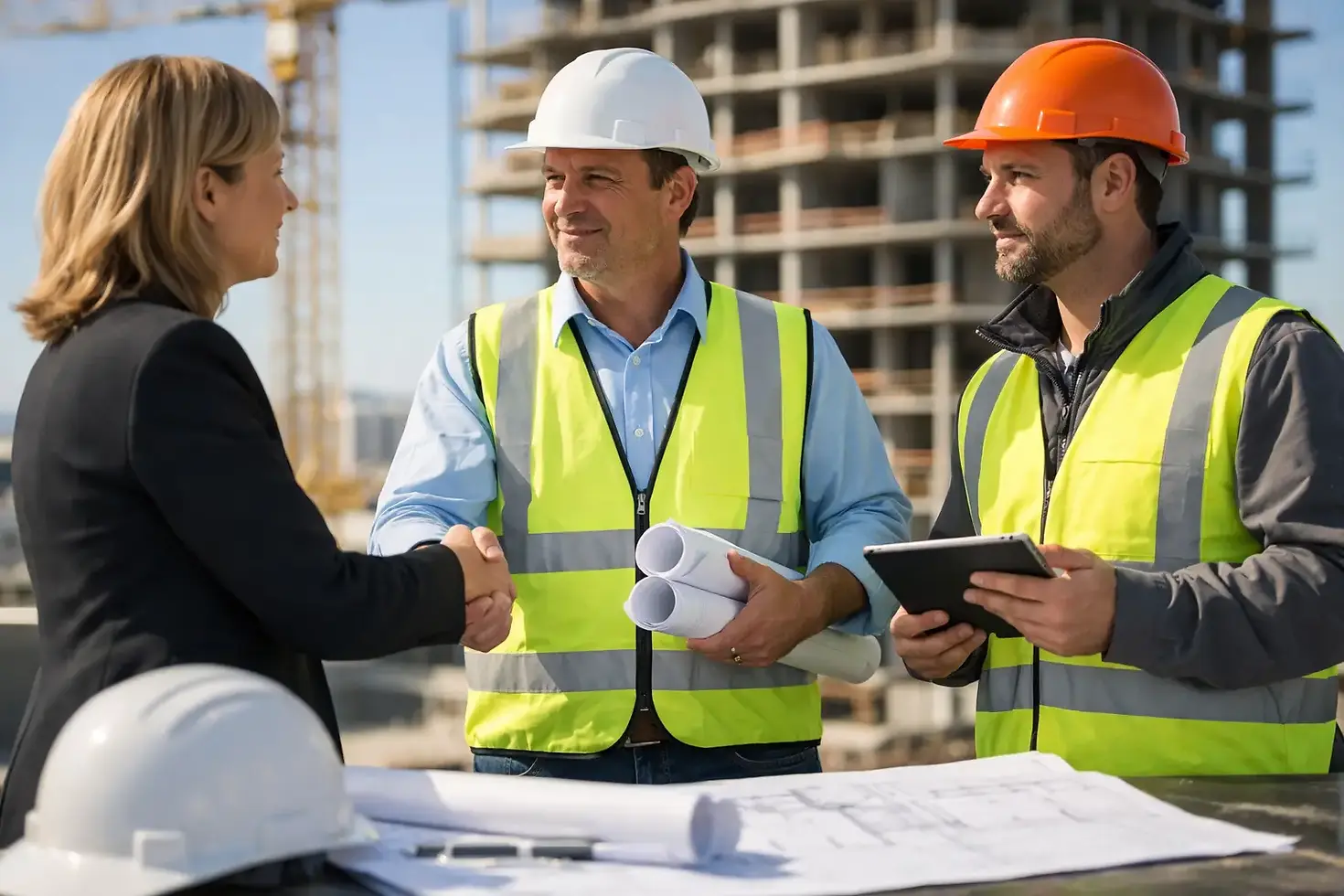
How to Choose Commercial Builders With Confidence
A commercial construction project can affect far more than a building. It can influence daily operations, tenant relationships, customer access, safety, revenue, and the long-term value of your property. Choosing commercial builders is therefore not simply about finding the lowest estimate. It is about choosing a team that understands the work, communicates clearly, and takes responsibility from the first walkthrough through final completion.
For business owners and property managers across Tennessee, Georgia, and Alabama, the right contractor should make a complex process feel organized and manageable. That starts with asking practical questions before work begins, not after unexpected costs or delays appear.
Start With the Scope of the Project
Commercial work can look very different from one property to the next. A retail interior refresh, office renovation, restaurant build-out, warehouse repair, medical office upgrade, and ground-up commercial structure each require different planning, trades, timelines, and permitting considerations.
Before requesting estimates, define what success looks like for your property. You may need more usable space, a safer entryway, updated finishes, better traffic flow, repairs that protect the building, or improvements that help attract tenants and customers. A clear goal helps a contractor provide a more useful estimate and helps you compare proposals on equal terms.
It also helps to identify what cannot be disrupted. Some businesses need to stay open during construction. Others have delivery windows, customer parking needs, sensitive equipment, seasonal deadlines, or lease obligations that affect scheduling. An experienced builder will ask about these conditions early and build a workable plan around them.
What Reliable Commercial Builders Should Provide
A professional contractor should bring more than labor and materials to the job site. They should provide clear guidance, realistic expectations, and a process that protects your investment. While every project is different, dependable commercial builders should be prepared to discuss licensing, insurance, relevant experience, project supervision, scheduling, permits, and how changes will be handled.
Licensing and insurance are essential starting points. They help protect the property owner, the business, workers, and visitors when construction is underway. Ask for confirmation rather than assuming these details are in place. A trustworthy contractor will understand why you are asking and provide straightforward answers.
Relevant experience matters as well. A contractor does not need to have completed an identical project to be qualified, but they should understand the type of work involved and the challenges it presents. For example, renovating an occupied office requires a different approach than completing repairs in an empty retail suite. The ability to coordinate work around your operations can be as valuable as the construction itself.
You should also know who will be responsible for day-to-day communication. Large projects often involve several trades, deliveries, inspections, and decisions that must be made promptly. A designated project contact keeps questions from getting lost and gives you a clear person to call when something needs attention.
Compare Estimates Beyond the Bottom Line
The lowest number on a proposal is not always the lowest project cost. An estimate may appear attractive because it leaves out materials, site preparation, permits, cleanup, project management, or work needed to meet code. Those omissions can become costly later.
When comparing estimates, look closely at the scope of work. The proposal should explain what is included, what is excluded, the materials or finish level assumed, and any allowances that may change once final selections are made. If one estimate is significantly lower than the others, ask why. There may be a reasonable explanation, but it deserves a clear answer before you sign a contract.
Payment terms should also be easy to understand. Commercial construction commonly involves a deposit and scheduled payments tied to milestones. What matters is that the schedule reflects completed work and that both parties understand the expectations. Be cautious of vague pricing, pressure to make immediate decisions, or a contractor who cannot explain how costs are calculated.
A detailed estimate does not eliminate every unknown. Existing buildings can reveal hidden damage, outdated systems, or code requirements once work begins. However, a responsible builder will explain potential risks upfront and establish a process for documenting and approving changes before extra work moves forward.
Protect Your Schedule and Your Operations
A project timeline should be realistic, not simply optimistic. Weather, inspections, material lead times, utility coordination, and unforeseen site conditions can all affect construction. The goal is not a promise that nothing will change. The goal is a contractor who plans carefully and communicates quickly when conditions do change.
Ask how the builder will sequence the work. Can construction be phased so part of the building remains usable? Will noisy or disruptive work happen outside customer-facing hours? How will workers, equipment, and materials be managed around employees, tenants, or visitors? These questions are especially important for occupied offices, retail spaces, churches, apartment communities, and medical or service facilities.
Site safety deserves the same attention. Construction areas should be clearly managed to reduce risks for everyone entering the property. That may include separating work zones, maintaining safe access points, protecting adjacent finishes, controlling dust, and keeping the site orderly. Good housekeeping is not just about appearance. It often reflects how carefully a team manages the rest of the project.
Ask How Changes Will Be Managed
Even well-planned projects can change. A property owner may choose different finishes, an inspection may require an adjustment, or a hidden issue may be discovered behind a wall. Problems arise when those changes are handled informally or discussed without documentation.
Before construction starts, ask how change orders work. You should know who can authorize changes, how added costs or schedule impacts will be presented, and when approval is required. Written change orders protect both the owner and the contractor by keeping the scope, price, and timeline clear.
This is also where communication makes a meaningful difference. A builder who responds promptly and explains issues in plain language helps you make sound decisions. You do not need unnecessary technical jargon. You need an honest explanation of the condition, the available options, the likely impact, and the recommended path forward.
Local Knowledge Can Prevent Costly Delays
Commercial construction is shaped by local requirements. Permit processes, inspection schedules, zoning considerations, utility coordination, and building conditions can vary by location. A regional contractor familiar with Tennessee, Georgia, and Alabama can help identify questions that may otherwise surface late in the project.
Local knowledge is particularly valuable when a project involves an older building, a change in use, an addition, exterior improvements, or work that affects accessibility and life-safety systems. It does not mean every issue can be predicted, but it supports better planning before crews arrive.
For property owners, working with a local team also makes follow-through easier. If a question arises after completion, you want a contractor who is accessible and stands behind the workmanship. Tri-South Construction LLC approaches commercial work with that same service-first mindset: clear communication, experienced coordination, and respect for the property and people relying on it.
Make the Final Decision With the Full Picture
The right contractor may not always be the one with the fastest promise or the cheapest proposal. Look for the company that listens carefully, asks informed questions, provides a detailed scope, and is willing to explain the process without pressure. References, prior project examples, and direct conversations can all help you assess whether their approach matches your expectations.
Trust your observations during the estimate process. If communication is difficult before the contract is signed, it rarely improves once the work is underway. On the other hand, a contractor who is responsive, prepared, and transparent early on is more likely to bring those same habits to the job site.
A commercial project deserves careful planning because your property supports your business, your tenants, and your community. Take the time to choose a builder who treats that responsibility seriously, and begin the work with a scope, schedule, and communication plan you can rely on.


Comments