
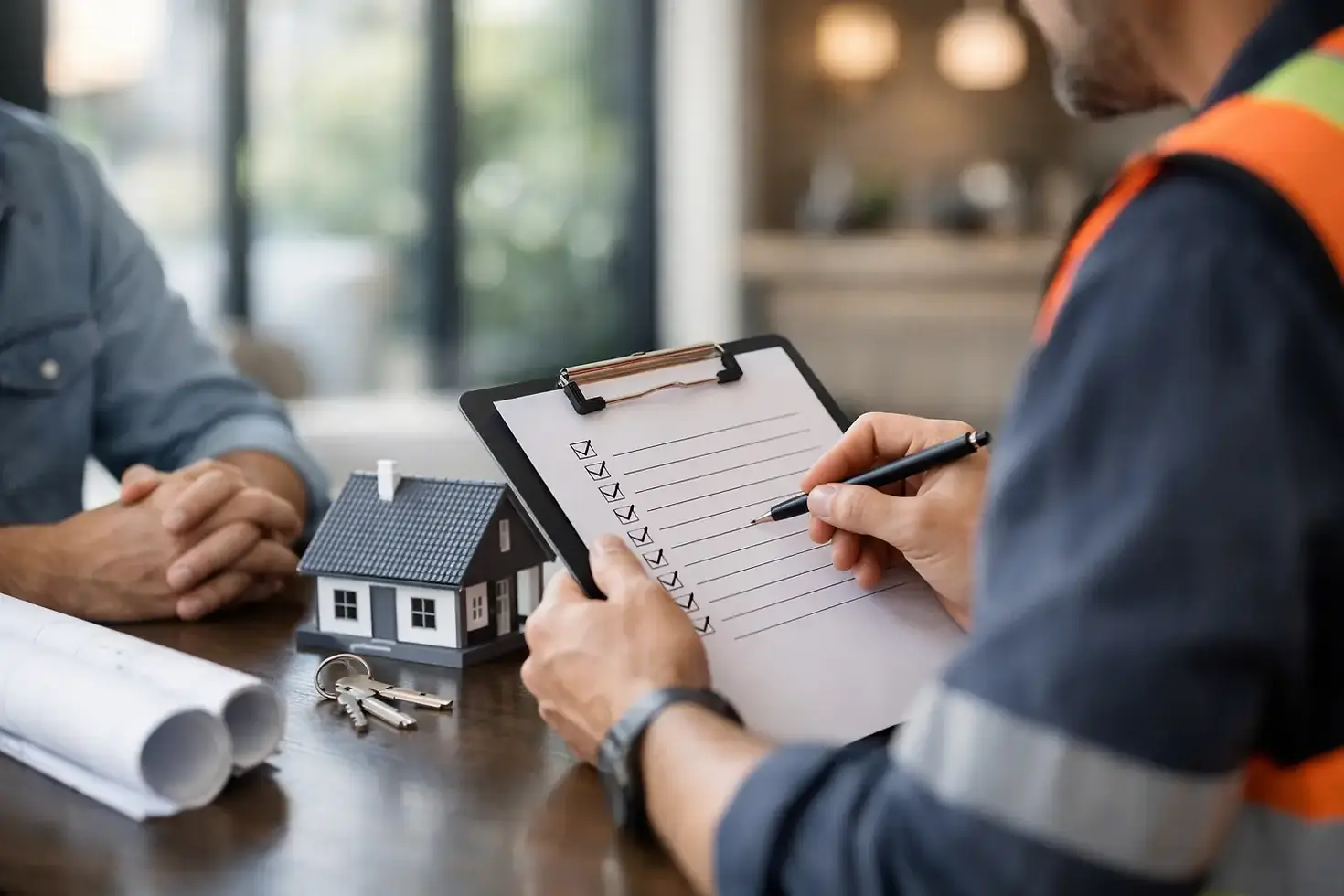
Residential Contractor Review Checklist: 10 Checks
A remodel, addition, or custom home project can change how your family lives for years. It can also create real stress when the contractor is difficult to reach, the estimate is unclear, or the work does not match what you expected. This residential contractor review checklist gives homeowners a practical way to compare builders before signing a contract.
The goal is not to find the lowest number on a page. It is to find a qualified contractor who understands the project, explains the process clearly, protects your property, and stands behind the work.
Start With the Contractor's Qualifications
A professional contractor should be prepared to discuss the basics without hesitation. Ask whether the company is properly licensed for the type and size of work involved, carries general liability insurance, and maintains workers' compensation coverage when applicable. Requirements can vary by location and project scope, so confirm what applies in your Tennessee, Georgia, or Alabama community.
Licensing and insurance are not just boxes to check. They help protect homeowners if property is damaged, a worker is injured, or the project requires inspections and permits. Ask for current documentation rather than relying on a verbal assurance.
Experience matters as well, but it should be relevant experience. A contractor who does excellent repair work may not be the right fit for a full home addition. For a kitchen remodel, bathroom update, sunroom, exterior improvement, or custom build, ask whether they have completed similar work and what challenges those projects typically involve.
Residential Contractor Review Checklist for Estimates
A detailed estimate is one of the clearest signs that a contractor has taken time to understand your home and goals. A quick number given without a site visit may be appropriate for a very small repair, but larger projects usually require measurements, conversations about materials, and a closer look at existing conditions.
When reviewing estimates, compare the scope of work before comparing the bottom line. Two bids can look very different because one includes demolition, permits, material allowances, cleanup, or finish work and the other does not. A lower proposal is not necessarily a better value if important items have been left out.
Use this checklist as you review each proposal:
Is the work scope specific about what will be built, removed, repaired, or installed?
Are materials, product allowances, and finish selections identified where possible?
Does the estimate explain permit responsibility and inspection coordination?
Is the payment schedule tied to reasonable project milestones?
Are exclusions and potential additional costs clearly stated?
Does the contractor explain how change orders will be priced and approved?
A trustworthy contractor will not pretend that every unknown can be priced perfectly before walls are opened or site conditions are fully uncovered. Older homes can reveal water damage, outdated wiring, structural concerns, or code-related upgrades. What matters is how those possibilities are addressed: clearly, in writing, and before extra work begins.
Look Closely at Communication Before Work Starts
The pre-construction experience often tells you what the project experience will be like. Pay attention to whether calls are returned, questions receive direct answers, and meetings happen when promised. Construction schedules can shift because of weather, inspections, special-order materials, or conditions discovered during the work. Silence and vague answers should not be part of the process.
Ask who will be your day-to-day contact. In a smaller project, that may be the contractor or project manager. In a larger renovation or new build, it may be a dedicated superintendent. Either way, you should know whom to contact, how updates will be delivered, and how quickly you can expect a response.
It is also reasonable to ask how the team will protect your home while work is underway. For interior remodeling, this may include dust control, floor protection, temporary access plans, and daily cleanup. For additions and exterior projects, ask about jobsite safety, material storage, weather protection, and keeping the area secure for children and pets.
Review References With Better Questions
Online reviews can provide helpful context, particularly when they mention communication, timeliness, workmanship, and problem-solving. Still, do not make a decision based only on star ratings. Read the details and look for patterns across multiple reviews.
If a contractor provides references, ask past clients questions that reveal how the company works when a project gets complicated. Did the crew arrive consistently? Was the home kept reasonably clean? Were changes documented? Did the contractor resolve concerns promptly? Would the client hire the company again?
Photos of completed work are useful, but references provide something photos cannot: insight into reliability. A beautiful finished bathroom matters. So does the experience of getting there.
Understand the Contract and Project Timeline
Do not begin major construction based on a handshake and a rough estimate. A written contract should identify the parties involved, project address, work scope, price or pricing method, payment terms, projected schedule, warranty information, and the process for approving changes.
Read the schedule as a planning tool, not a guarantee that every day will unfold exactly as expected. Quality construction involves coordination among trades, material suppliers, inspectors, and homeowners. A good contractor can explain the expected phases of the work and communicate quickly if the schedule changes.
Be cautious of unusually large upfront payment requests. Deposit practices vary depending on material needs and project size, but payments should make sense for the work completed and materials purchased. If something feels rushed or unclear, ask for an explanation before signing.
Ask How Quality and Warranty Issues Are Handled
Every construction project has details that need attention before final completion. The question is not whether a punch list will exist. The question is whether the contractor has a clear process for addressing it.
Ask what workmanship warranty is offered, what it covers, and how service requests are handled after the project is complete. Manufacturer warranties may apply to certain products, but they are different from a contractor's responsibility for installation and workmanship.
You should also ask how final walkthroughs are conducted. A professional walkthrough gives you the opportunity to review the work, identify items that need adjustment, and understand how to care for new materials or systems. This is especially valuable for kitchens, bathrooms, additions, and exterior improvements where multiple finishes and components come together.
Watch for Warning Signs Without Overreacting
Not every concern means a contractor is unqualified. A busy schedule, a higher estimate, or an honest answer that a material may take time to arrive can be signs of a contractor who is managing expectations responsibly. The best choice depends on your priorities, budget, timeline, and the complexity of your project.
However, certain patterns deserve caution: pressure to sign immediately, refusal to provide written details, requests for cash-only payment, unclear insurance information, or repeated difficulty reaching the company. Trust is built through follow-through, not promises alone.
A free in-home consultation can be a useful first step because it allows both sides to discuss the property, the scope, and realistic next steps face to face. At Tri-South Construction LLC, that conversation is treated as the beginning of a working relationship, not a sales shortcut.
Before choosing a contractor, give yourself time to compare complete proposals, check credentials, and ask the questions that matter to your household. The right builder should leave you feeling informed and supported, with a plan you can understand and confidence in the people bringing it to life.


Comments